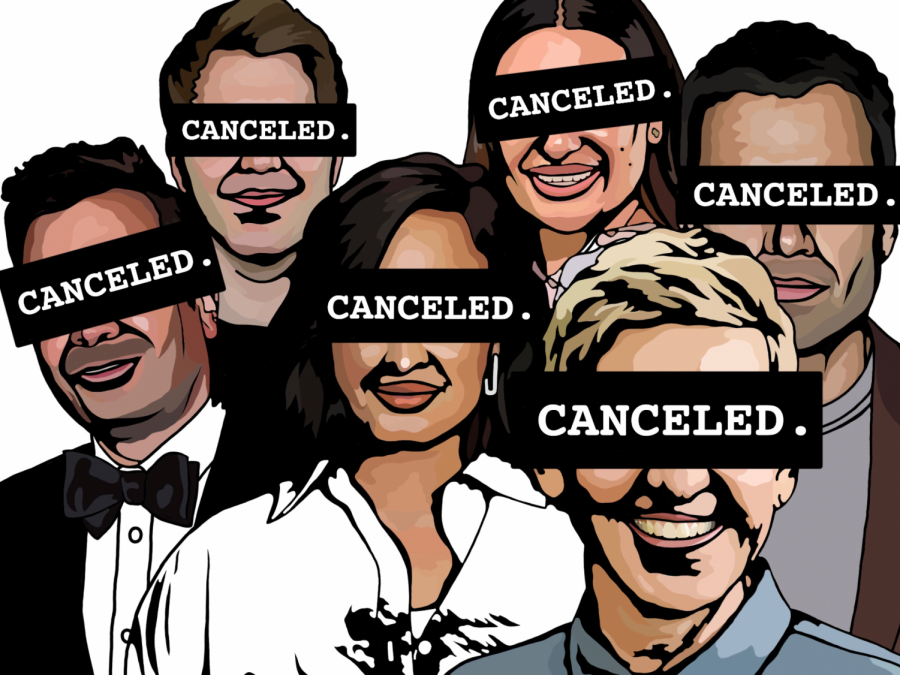

Cancel culture has emerged as a formidable force in the contemporary digital landscape, repositioning the concepts of justice and accountability by leveraging social media networks to hold individuals and organizations accountable for perceived wrongdoings . In its essence, cancel culture involves the collective public denunciation, boycott, or “cancellation” of figures who are believed to have committed ethical transgressions or moral lapses. The phenomenon has become especially significant as social media platforms have empowered users to exercise collective action, thereby reshaping public discourse and impacting both personal and corporate reputations .
The importance of online reputation in today’s interconnected world cannot be overstated. With 84% of consumers reportedly trusting online reviews as much as personal recommendations and with documented instances where even a one-star improvement in ratings correlates to a 5 – 9% increase in revenue, managing one’s digital image has become not only a matter of public relations but also a critical business imperative. In this context, cancel culture represents both a risk and an opportunity. On the one hand, it provides a mechanism for marginalized voices to enact social accountability; on the other, it creates a high-stress environment in which reputational damage can be swift and severe.
To navigate this intricate landscape, organizations and public figures have adopted various reputation management strategies. These include proactive monitoring of online conversations, transparent communication to build trust, immediate and coordinated crisis responses, and efforts to engage stakeholders meaningfully. The research under review provides a detailed analysis of these strategies and underscores the necessity for adaptability and ethical leadership in a turbulent digital era .