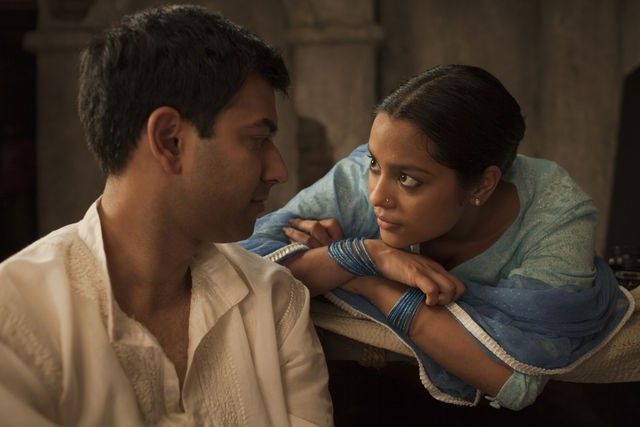
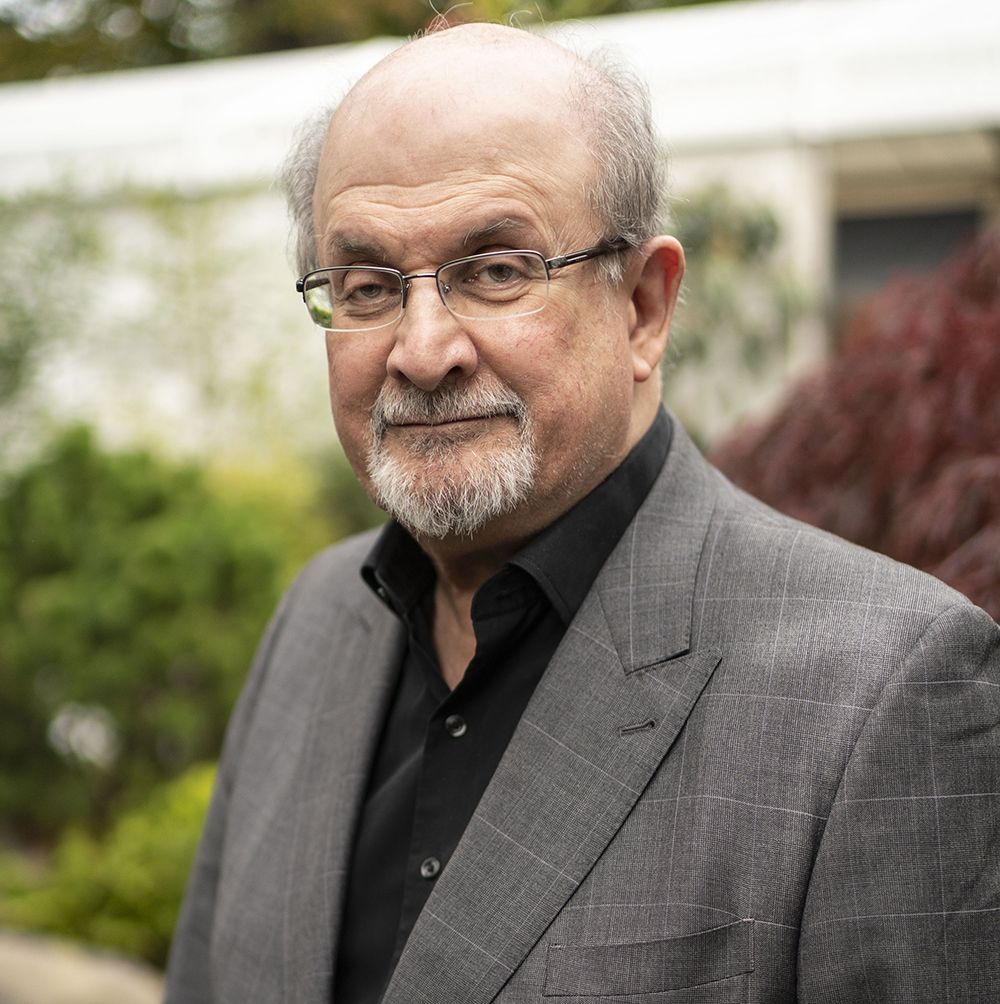
Salman Rushdie, an Indian-born British and American Novelist. His novel Midnight’s Children isn’t just a novel but a brilliant collision of memory, history, and magic, capturing the chaos and aftermath of India’s Partition in 1947. Born in Bombay (Mumbai) in 1947, Rushdie is known for blending the real with the surreal and magical elements. Midnight’s Children won the Booker Prize in 1981 and was later named the “Booker of Bookers,” which remains his iconic work.
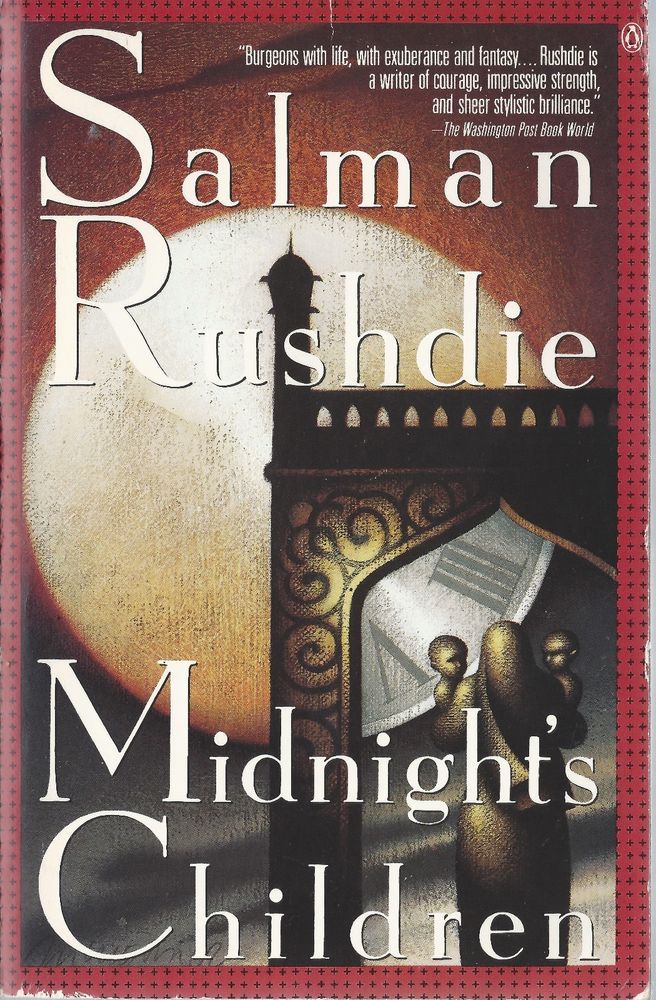
“To understand just one life, you have to swallow the world.”
― Salman Rushdie, Midnight’s Children
Salman Rushdie’s Midnight’s children is one of those books that doesn’t just tell a story, it pulls you into the heart of history, chaos, and personal struggle. The core is that it is a tale about growing up in a country that is trying to figure out who it is, all while recovering from trauma of partition. And let’s be honest, partition wasn’t just a political event; it was a national wound that tore families, communities, and identities apart.
The protagonist Saleem Sinai born at the exact stroke of midnight on August 15,1947 gives us a front row seat to the madness that followed India’s freedom. his life mirrors the life of the country that has a mix of chaos, hope, fragmentation and full of contradiction. his journey isn’t just physical but it take us into its emotional and psychological , marked by the trauma of displacement and the ongoing struggle to understand where he truly belongs.
Partition is not just a backdrop here but it is the engine of the story. The violence, bloodshed and communal tensions all of it is deeply felt through Rushdie’s characters. Saleem’s parents Amina and Sinai, represents the heartbreak of being split from loved ones due to artificial borders. Amina’s pain at being cut off from family in Pakistan, shows how just deeply partition shook ordinary lives.
it is not just trauma that took part of the picture, but the story itself dives headfirst into the messiness of identity. Saleem, with his mixed heritage and strange telepathic powers, becomes a symbol of fractured post-partition identity. He is not just one thing but many things at once. In his journey from Bombay to Pakistan and back again, we see how people wrestle with who they are when their cultural and religious identities no longer feel secure.
Saleem’s family itself is a little microcosm of these clashes; his grandfather clings to old-world mysticism, while his grandmother reaches for something more modern and progressive. and through Rushdie’s signature magical realism, where telepathy and fantastical events coexist with real historical tragedies, he shows us that identity isn’t fixed, but constantly evolving.
The legacy of Partition runs deep throughout the novel. It doesn’t just end with Saleem’s childhood , it sticks around, shaping everything from politics and religion to the very language people use. Rushdie doesn’t shy away from showing how Partition created not just borders between countries, but barriers between people. The distrust, the violence, the simmering tensions, they’re all part of the aftermath, and they still echo today.
But it’s not all doom and gloom. What makes Midnight’s Children such a powerful read is its sense of hope, resilience, and humor, even in the darkest moments. Saleem’s life might be filled with loss and confusion, but he keeps going. He keeps searching. And through that, Rushdie reminds us of the strength of the human spirit.
By the end of the novel, it’s clear that this isn’t just a story about Partition, it’s about memory, identity, and how we carry the past with us. Rushdie’s brilliant, layered storytelling shows us that even amid madness, there’s a way forward. And perhaps most importantly, it reminds us why stories matter because they help us make sense of who we are and where we come from.
So if you’ve ever wondered what it means to grow up in the shadow of history, or how a nation’s trauma can shape a person’s soul, Midnight’s Children is the book that will make you feel it all. It’s messy, it’s magical, it’s heartbreaking, and it’s essential.